How to Create a Survey: The Ultimate Guide
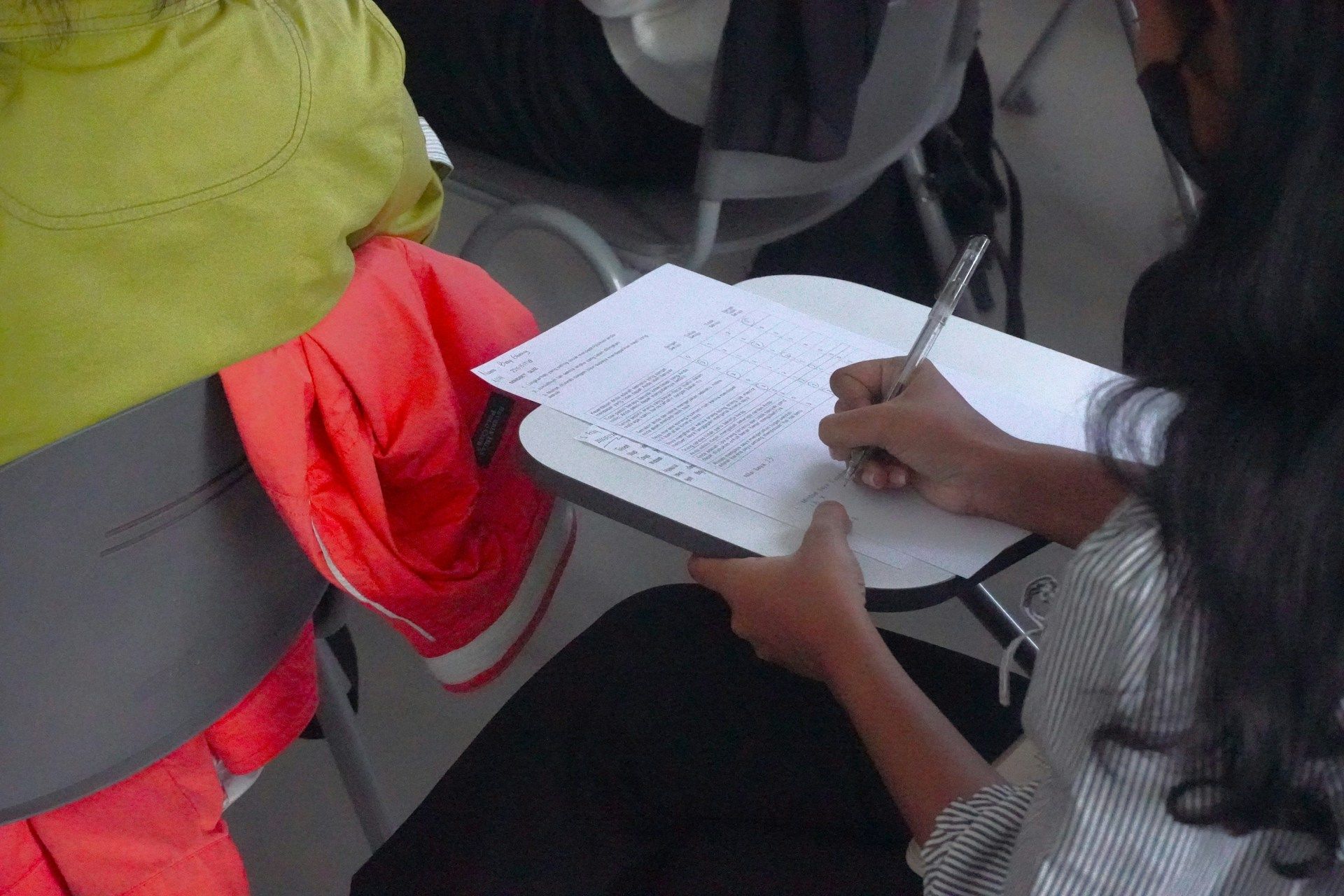

Organizations that follow structured survey practices report higher response rates, faster analysis cycles, and clearer paths from data to action. This guide covers every major survey format used in higher education and enterprise settings.
Higher education teams use these surveys to strengthen teaching, improve retention, and support accreditation. Enterprise organizations apply them to increase engagement, reduce turnover, and align learning programs with business outcomes.
Each section explains the survey's purpose, the question types that produce reliable data, and the actions that follow collection. The structure remains consistent throughout.
Course Evaluation Surveys: Structure, Best Practices, and Student Feedback Analytics
The Purpose of Course Evaluations
Course evaluations provide insight into how students perceive instructional quality, course organization, and assessment methods. Institutions use this data to shape professional development and refine curriculum.
Students rate the clarity of communication, the relevance of the assignment, and the overall learning experience. These indicators help departments identify where teaching practices need adjustment.
Course evaluation data supports continuous improvement across academic programs. Faculty receive specific feedback they can act on before the next term begins.
Standard and Flexible Question Models
Effective course evaluations balance consistency with flexibility. Many institutions use a core question set across all departments to support benchmarking.
Departments then add course-specific questions related to discipline, teaching method, or format. A nursing program might include questions about clinical preparation. A business school might ask about case study effectiveness.
Action: Identify five to seven core questions that apply across all courses. Allow departments to add up to three custom items per course type.
Timing and Frequency
End-of-term evaluations remain common. Mid-course check-ins help identify issues while changes are still possible.
Institutions that introduce pre-course surveys capture student expectations before instruction begins. Faculty use those insights to create a continuous feedback loop that supports stronger learning outcomes. This approach allows instructors to address concerns early and adjust course delivery before issues compound.
Explorance Blue automates survey scheduling and deployment. Institutions launch pre-course feedback instruments without manual setup. The platform integrates with LMS and SIS systems to trigger surveys at the right moment in the academic cycle. Faculty receive personalized dashboards showing expectation gaps they can address in their course design.
Action: Add a pre-course survey to your evaluation cadence. Review expectation data in faculty dashboards and adjust course materials before the first week ends.
Analyzing Results for Teaching Improvement
Effective analysis moves beyond raw scores. Institutions use distribution charts, written comment summaries, and instructor-level dashboards to identify patterns.
At one public university, department chairs review dashboard summaries each term. They meet with faculty whose scores fall below the department median. These conversations focus on specific improvement areas.
Action: Identify two or three metrics most relevant to your teaching priorities. Establish a review cadence that aligns with your academic calendar.
Student Experience Surveys: Capturing Holistic Campus Feedback
Social, Academic, and Administrative Dimensions
A complete student experience survey explores multiple areas. Common dimensions include advising quality, access to facilities, financial support, and well-being services.
In higher education, these surveys reveal whether students can navigate the registration process, access tutoring, or connect with advisors. In enterprise onboarding contexts, similar surveys assess whether new hires receive clear role expectations.
Action: Map each survey dimension to a specific service or office. This makes it easier to route results to the teams responsible for improvement.
Measuring Belonging and Engagement
Belonging and engagement influence retention. Surveys include questions that assess campus connection, relationship quality, and sense of purpose.
Abu Dhabi University achieved 90% response rates on student experience surveys using Explorance Blue. The high participation rate enabled granular demographic analysis that revealed gaps in belonging between different student populations. The institution used these insights to develop targeted programming that addressed specific student needs.
Action: Include at least two items that measure connection to peers and two that measure connection to faculty or staff.
Using Real-Time Feedback Tools
Institutions that implement continuous feedback loops capture student sentiment throughout the term. Faculty and staff identify root causes of emerging issues and respond before they escalate. This listening approach also helps resolve operational challenges while students are still enrolled.
Explorance Blue supports short-cycle pulse surveys that deploy automatically at defined intervals during the semester. Real-time response rate monitoring shows which students have responded and which have not. Role-based dashboards surface priority concerns to the right stakeholders immediately. Integration with Explorance MLY enables AI-powered analysis of open-ended comments to identify themes, sentiment shifts, and urgent concerns across thousands of responses.
Action: Schedule pulse surveys at weeks three and six of each term. Limit each pulse to two or three questions focused on a single topic.
Turning Insights into Action
Survey findings require action to produce results. Many teams use experience dashboards, cross-department working groups, and regular communication plans.
Liverpool John Moores University (LJMU) analyzed 38,000 student comments using Explorance MLY. The institution publishes summaries showing survey results alongside actions taken in a "you said, we did" format. This visible commitment to acting on feedback strengthened student trust and increased participation in subsequent survey cycles.
Action: Share visible updates after each survey cycle. Specify what changed, who made the decision, and when the change took effect.
Faculty Evaluation Surveys: Measuring Teaching Performance and Instructional Quality
Peer Evaluation and Student Evaluation
Student evaluations capture the learner's perspective. Peer evaluations focus on instructional techniques, course design, and scholarly pedagogy. Together, they provide a balanced view.
In higher education, combining both sources helps tenure committees see the full picture. In enterprise settings, similar multi-rater approaches apply to trainer evaluations and internal facilitator reviews.
Action: Use both student and peer input for any high-stakes teaching review. Weight each source according to your promotion and tenure guidelines.
Measuring Instructional Effectiveness
Common indicators include preparation, clarity, communication, fairness, and ability to create an inclusive learning environment. These metrics form the foundation of faculty evaluation surveys.
Research shows that student evaluations can reflect factors beyond teaching quality. Instructor gender and race may influence ratings. Institutions that rely solely on student ratings risk drawing incomplete conclusions.
Action: Select five to seven indicators that align with your teaching priorities. Review these annually to confirm they reflect current expectations.
Fairness and Bias Mitigation
Institutions follow specific practices to reduce potential bias. These include using behavior-based questions, removing leading language, and providing standardized scales.
At UT Austin, the course evaluation platform includes an explainer video on implicit bias before students respond. A reminder also appears before open-ended questions. The university uses Explorance MLY to analyze upwards of 500,000 course evaluation comments and identify potential Title IX violations or concerning behavior.
These interventions encourage students to focus on teaching rather than identity while enabling systematic analysis at scale.
Action: Add a brief bias-awareness prompt before qualitative questions. Train faculty reviewers on how cognitive shortcuts can affect interpretation.
Reporting and Development Conversations
Evaluation results feed into structured conversations between faculty and academic leadership. Dashboards, summaries, and trend reports help teams focus on specific areas.
Northwestern and Ohio State complement student feedback with peer observations and teaching portfolios. This layered approach gives faculty a clearer view of their performance. As Dr. Veronica Womack from Northwestern noted during an Explorance webinar on mitigating bias in course evaluations, institutions that combine multiple feedback sources help faculty receive a more balanced and accurate picture of their teaching effectiveness.
Action: Begin each faculty report with a framing note that positions results as a snapshot. Pair quantitative scores with written observations for richer context.
Program Assessment Surveys: Learning Outcomes and Curriculum Review
Mapping Outcomes to Institutional Goals
Survey questions connect directly to institutional learning outcomes. Common areas include communication, research skills, problem solving, and ethical decision making.
This structure ensures that feedback links clearly to accreditation requirements. It also helps departments demonstrate progress during review cycles.
Action: Map each survey section to one institutional learning outcome. This makes it easier to show accreditors how programs address stated objectives.
Survey Items That Assess Competency Development
Programs assess whether students feel confident applying core skills in real-world settings. Surveys include items related to critical thinking, collaboration, and field-specific abilities.
In higher education, these items reveal whether courses prepare students for graduate study or professional roles. In enterprise L&D contexts, similar items measure whether training programs build the competencies employees need.
Action: Include at least two items that ask students to rate their confidence in applying specific skills. Compare results across cohorts to identify trends.
Assessing Delivery Methods and Course Sequencing
Program assessment surveys help departments understand how course structure affects learning. Questions explore sequencing, prerequisites, and experiential components.
Boston University centralized its evaluation approach using Explorance Blue to gather consistent program assessment data across departments. The institution uses feedback data to inform decisions about curriculum sequencing and program structure.
When analysis reveals that certain course sequences correlate with higher student confidence in specific skills, departments adjust recommended pathways based on these findings.
Action: Ask students whether course order helped or hindered their progress. Use results to inform prerequisite decisions and advising guidance.
Using Results for Accreditation Cycles
Accrediting bodies expect clear evidence of program effectiveness. Survey results support self-study reports, curriculum updates, and long-term planning.
Departments that collect consistent data over time build stronger cases during review. With the right documentation, institutions can show progress and maintain compliance.
Action: Store survey results in a format that aligns with your accreditation reporting template. Update evidence files after each survey cycle.
Alumni Surveys: Tracking Long-Term Impact and Graduate Outcomes
Career Pathway Questions
Typical items explore employment status, career progression, job satisfaction, and alignment between academic preparation and professional roles.
INCAE Business School achieved 100% response rates on alumni surveys using Explorance Blue. The exceptional participation enabled the institution to track career outcomes and identify patterns in graduate success. Results showed clear correlations between specific program experiences and long-term career satisfaction, informing curriculum updates and student advising.
Action: Include questions that ask alumni to describe their current role and industry. Track these responses over time to identify placement trends.
Satisfaction and Preparedness Metrics
Alumni feedback on readiness for work helps institutions understand program strengths and gaps. Responses highlight whether students felt prepared for industry demands.
In higher education, this data informs curriculum updates and career services programming. In enterprise contexts, similar post-program surveys measure whether training prepared employees for new responsibilities.
Action: Ask alumni to rate their preparedness in three to five specific skill areas. Compare results to current course content to identify mismatches.
Longitudinal Alumni Engagement Tracking
Repeating alumni surveys every few years provides trend data that single surveys cannot capture. This long-term view helps teams gauge the evolving impact of academic programs.
Indiana University implemented longitudinal alumni tracking using Explorance Blue to survey graduates at multiple intervals post-graduation. This approach revealed how graduate perceptions evolve over time and identified gaps between academic preparation and workplace demands. The institution used these insights to prompt curriculum reviews focused on skill application.
Action: Establish a recurring survey schedule. Use consistent questions to enable year-over-year comparison.
Institutional Improvement Based on Alumni Data
Institutions use alumni insights to refine curriculum, update learning resources, and create new industry partnerships. Improvements grounded in alumni feedback support stronger programs and more competitive graduates.
MENA Medical Schools used Explorance Blue to gather alumni feedback on clinical training preparedness. Survey results revealed demand for additional clinical hours and specific skill development. The institutions partnered with healthcare systems to create new practicum opportunities that addressed gaps identified through alumni feedback.
Action: Share alumni survey highlights with advisory boards and industry partners. Use the data to support funding requests and program proposals.
Student Needs Assessment Surveys: Understanding Support Requirements
Needs assessment surveys identify the academic and personal support students require to succeed. These surveys help teams allocate resources and ensure students receive timely assistance.
Identifying Academic and Non-Academic Needs
Surveys include questions related to tutoring, writing support, accessibility services, and advising. Non-academic needs may include housing stability, food access, digital access, or transportation challenges.
In higher education, needs assessments help student affairs teams target services for first-generation or commuter students. In enterprise onboarding, similar assessments identify gaps in training resources, equipment access, or manager support.
Action: Include separate sections for academic and non-academic needs. This structure makes it easier to route results to the appropriate service teams.
Mental Health and Wellness Indicators
Questions that assess stress, belonging, safety, and access to wellness services help institutions understand well-being across student populations. These indicators inform mental health strategies and resource planning.
Liverpool John Moores University incorporated well-being themes directly into its feedback analysis using Explorance MLY. The Compassionate Curriculum initiative tracks themes of kindness, belonging, and inclusion across the student body.
When analysis showed certain populations reported higher stress levels, the institution responded by incorporating well-being in learning outcomes and offering students choices in assessment methods to reduce adverse effects.
Action: Use validated wellness scales when possible. Track results over time to identify trends that may require new programming.
Access to Services and Support Structures
Needs assessments reveal where students face barriers. Common issues include long wait times, unclear processes, and limited awareness of available services.
Boise State University used Explorance Blue to gather feedback on student service awareness and accessibility. When surveys revealed gaps in student knowledge about available support resources, the institution improved visibility and access pathways.
This feedback-driven approach helped connect more students with the tutoring, advising, and support services they needed.
Action: Ask students to rate both awareness and ease of access for each service. Low scores on either metric signal an opportunity for improvement.
Prioritizing Improvements Based on Results
Institutions use needs assessment results to inform resource planning, staffing decisions, and support services. High-impact areas receive priority to ensure students get the right support at the right time.
Action: Create a scoring matrix that ranks needs by frequency and severity. Focus first on issues that affect large numbers of students and have clear solutions.
Orientation and First-Year Experience Surveys: Capturing Early Student Insights
Orientation surveys capture student expectations and early experiences during the transition to campus. This feedback helps teams identify gaps and improve programming for future cohorts.
Pre-Arrival Expectations
Pre-arrival surveys capture what students expect before classes begin. Topics include academic difficulty, access to support services, and social integration.
Results highlight knowledge gaps related to program requirements, financial processes, and campus logistics. Understanding these expectations gives staff a clearer picture of incoming student readiness.
Action: Send pre-arrival surveys two to four weeks before the term begins. Use results to adjust orientation content before students arrive.
Orientation Program Effectiveness
Orientation feedback helps institutions evaluate whether new students received the information and resources needed to navigate their first weeks. Surveys measure clarity of content, usefulness of sessions, and effectiveness of orientation leaders.
International Business University (IBU) chose Explorance Blue to transform course evaluations and strengthen its culture of continuous improvement. The platform empowers faculty and administrators with actionable insights to identify specific areas for improvement.
When feedback revealed low satisfaction with orientation components, the institution redesigned those sessions and tracked results in subsequent survey cycles.
Action: Ask students to rate each orientation session separately. This granularity helps teams identify which topics need revision.
Early Engagement and Belonging
First-year experience surveys measure how connected students feel academically and socially during their initial months. Key items explore classroom engagement, peer interactions, and comfort navigating campus spaces.
A private university deployed a belonging survey at week six. Results showed that transfer students felt less connected than first-year students. The institution launched a transfer-specific peer mentoring program the following semester.
Action: Administer belonging surveys early enough to intervene during the first term. Late feedback limits the ability to support struggling students.
Using Early Data for Retention Strategies
Early feedback helps teams anticipate challenges that may affect persistence. Institutions analyze survey results alongside advising data, academic performance indicators, and campus engagement records.
Combine survey data with early alert systems. Flag students who report low belonging or high stress for proactive outreach.
Institutional Climate and Culture Surveys: Measuring Campus Environment
Climate surveys measure how students, faculty, and staff perceive safety, respect, and inclusion across campus. These surveys help leaders identify barriers affecting well-being and engagement.
Psychological Safety and Belonging
Climate surveys explore whether community members feel safe, respected, and supported. Items assess perceptions of acceptance, comfort voicing concerns, and confidence that the institution responds fairly to issues.
Strong belonging signals correlate with higher student success and improved campus morale. When psychological safety is low, engagement and retention decline.
Action: Include at least two items that measure sense of belonging and two that measure comfort raising concerns. Track these indicators separately for students, faculty, and staff.
Equity, Diversity, and Inclusion Measurement
Institutions gather feedback on fairness, equal access to opportunities, and perceptions of inclusive practices. Surveys may include indicators related to identity safety, cultural understanding, and availability of inclusive resources.
These insights help teams identify disparities in experience between different groups. The findings guide long-term DEI planning and ensure strategies respond to lived experiences.
Action: Disaggregate results by demographic group. Patterns that affect specific populations may not appear in aggregate data.
Climate Trend Analysis
Repeated climate surveys enable institutions to track progress across multiple years. Trend analysis reveals whether interventions improved conditions or whether persistent concerns require renewed attention.
Leaders examine changes in belonging, safety, and respect across demographic groups. This long-term perspective supports transparent reporting and data-driven decision making.
Action: Establish a baseline measurement before launching new initiatives. Compare post-intervention results to the baseline to assess impact.
Communicating Sensitive Findings
Clear communication builds trust and demonstrates accountability. Institutions summarize results in accessible formats that highlight both strengths and areas requiring improvement.
Teams provide context, explain next steps, and outline timelines for action. Thoughtful communication of findings reinforces commitment to transparency.
Action: Use a "you said, we did" format to show how past feedback led to change. This approach increases participation in future surveys.
Academic Advising Surveys: Assessing Support Quality and Student Satisfaction
Advising surveys assess how well students receive guidance on course selection, degree planning, and academic progress. Strong advising programs help students stay on track toward graduation.
Advisor Accessibility and Quality
Survey items measure how often students can meet with advisors and how responsive advisors are during high-demand periods. Results reveal how well advising offices manage workload and appointment availability.
The University of Nevada Las Vegas (UNLV) achieved 75% response rates on student feedback surveys using Explorance Blue. The high participation rate at this large public institution revealed specific operational concerns, including appointment wait times during peak registration periods. The advising office used these insights to add drop-in hours and track improvement in subsequent survey cycles.
Action: Ask students to rate both ease of scheduling and quality of the advising interaction. These are distinct dimensions that require separate measurement.
Understanding of Academic Pathways
Surveys assess whether students feel confident choosing courses, planning degree paths, and understanding program milestones. Feedback identifies where explanations need more clarity.
In higher education, pathway confusion leads to excess credits and delayed graduation. In enterprise settings, similar surveys assess whether employees understand career progression and skill requirements.
Action: Include items that ask students to rate their confidence in specific planning tasks. Low confidence scores signal topics that advisors should address more directly.
Satisfaction with Communication and Guidance
Institutions explore how advisors communicate program expectations, policy changes, and academic opportunities. Survey items also assess tone, clarity, and frequency of communication.
Results help teams understand whether students feel comfortable seeking help. These insights guide improvements to advising materials and communication workflows.
Action: Test new communication approaches with a pilot group. Compare satisfaction scores before and after the change.
Action Plans Based on Survey Data
Advising teams use survey results to refine processes and enhance student support. Actions may include updating advising resources, expanding drop-in hours, or improving advisor training.
Institutions incorporate survey feedback into annual planning. The goal is to create action plans that make advising more responsive.
Action: Assign specific owners to each action item. Set deadlines and review progress quarterly.
Online Learning and Hybrid Course Surveys: Evaluating Digital Instruction Quality
Online and hybrid course surveys evaluate how well digital learning environments support student success. Feedback helps teams improve course design, technology, and instructor presence.
Technology Usability Metrics
Survey items assess whether students can navigate learning platforms, access course materials, and submit assignments without barriers. Results help institutions identify where technology creates friction.
Kingston University reduced analysis time from three weeks to five minutes using Explorance MLY. This efficiency gain enabled the institution to quickly identify technical barriers affecting student experience, including mobile access challenges.
When feedback revealed difficulty accessing course materials on certain devices, the institution implemented rapid solutions and tracked improvement in subsequent surveys.
Action: Ask students to rate usability separately for each major platform function. This specificity helps IT teams prioritize fixes.
Engagement and Participation Measures
Institutions gather insights into how interactive online and hybrid courses feel to students. Surveys explore participation in discussions, collaboration with peers, and opportunities for active learning.
When engagement drops, survey data points to structural adjustments that can improve learning outcomes. Faculty use these insights to refine course design and interaction patterns.
Action: Include items that measure both passive consumption and active participation. Courses with high consumption but low participation may need design changes.
Instructor Presence and Communication
Effective online learning depends on consistent and transparent communication. Survey items assess perceived instructor availability, clarity of instructions, and responsiveness to questions.
A strong sense of instructor presence contributes to motivation and trust. When students feel connected to their instructor, engagement and course completion rates improve.
Action: Include items that measure response time, communication clarity, and perceived accessibility. Use results to identify faculty who may benefit from online teaching support.
Continuous Improvement in Online Programs
Online learning surveys help teams refine course design and strengthen instructional strategies. Institutions analyze survey results alongside learning analytics to identify patterns in student performance.
In higher education, this combined data supports targeted improvements such as revising modules or updating assessment formats. In enterprise settings, similar analysis helps L&D teams refine virtual training programs and measure skill application.
Action: Review survey results alongside completion rates and assessment scores. Look for patterns that suggest design changes could improve outcomes
Employee Engagement Surveys: Measuring Workforce Satisfaction and Organizational Culture
Employee engagement surveys help organizations understand what employees need to stay committed, motivated, and connected to their work. Strong engagement programs use high-quality survey design, reliable analytics, and continuous listening practices.
Core Drivers of Engagement
Engagement surveys measure factors such as recognition, clarity of expectations, autonomy, and alignment with organizational purpose. These drivers reveal what strengthens or weakens employee commitment.
Heartland Dental analyzed over 100,000 employee comments using Explorance MLY to identify engagement drivers across locations. The organization used sentiment analysis and topic categorization to pinpoint specific workforce concerns and inform targeted interventions.
Understanding these signals allows HR leaders to identify where support structures need reinforcement. When engagement drivers are measured consistently, organizations track progress and build strategies that create a more productive work environment.
Action: Identify the five engagement drivers most relevant to your organization. Measure them consistently across survey cycles to track change over time.
Question Types for Measuring Motivation
Effective engagement surveys combine scaled questions, open-text responses, and indicators that capture motivation. Items explore workload, career growth, leadership effectiveness, and day-to-day experience.
A balanced question set produces diverse insights that highlight systemic strengths and potential concerns. This approach ensures the data remains actionable and tied to the employee experience.
Action: Include at least two open-text questions that invite specific feedback. Analyze responses using qualitative tools to identify recurring themes.
Survey Cadence and Pulse Check Integration
Organizations use an annual engagement survey supported by more frequent pulse checks. Pulse surveys provide early warnings when patterns shift and help teams validate whether interventions are working.
A layered approach allows HR leaders to maintain a consistent listening rhythm. Annual surveys anchor long-term planning. Pulse surveys help teams adjust strategies with more agility.
Action: Run pulse surveys quarterly or after major organizational changes. Keep them short to maintain participation rates.
Closing the Loop with Action Planning
Survey data only creates impact when organizations follow through. Engagement results feed into structured action planning that focuses on high-impact areas.
Teams identify root causes, prioritize initiatives, and share progress updates with employees. Clear follow-up builds trust and strengthens participation in future surveys.
Action: Publish a summary of actions taken after each engagement survey. Use a "you said, we did" format to demonstrate responsiveness.
360-Degree Feedback Surveys: Holistic Employee Performance Insights
360-degree feedback gives employees a view of their strengths and development areas by gathering input from peers, direct reports, managers, and self-raters. This multi-rater approach helps organizations build more transparent performance conversations.
Competency Model Mapping
Organizations align 360-degree survey questions with established competency models. Common competencies include leadership, communication, collaboration, and strategic thinking.
Mapping survey items to competencies ensures feedback remains focused on observable behaviors. This structure supports a consistent experience across roles and levels.
Action: Select five to seven competencies that align with your leadership framework. Review them annually to confirm relevance.
Rater Group Selection
Selecting the right mix of raters is essential for collecting balanced feedback. Organizations choose a combination of supervisors, team members, cross-functional partners, and direct reports.
Gallagher implemented 360-degree feedback using Explorance Blue to gather multi-rater input across leadership levels. The organization selected a combination of supervisors, peers, and direct reports to provide balanced perspectives on leadership competencies.
This structure helped employees understand how their contributions are perceived across different contexts. Clear instructions and thoughtful rater selection contribute to more reliable results.
Action: Require a minimum of three raters per category to ensure sufficient data. Provide guidance on how raters should be selected.
Confidentiality and Bias Considerations
Maintaining confidentiality encourages honest responses. Surveys include neutral, behavior-based items designed to reduce personal bias.
Witz Education implemented 360-degree feedback using Explorance Blue to gather multi-rater input across the organization. Best practices for 360 implementations include applying statistical thresholds and minimum rater counts to protect anonymity. These practices strengthen credibility and encourage employees to engage with the feedback process.
Action: Set a minimum threshold of three responses before displaying results for any rater category. Train participants on the purpose and structure of the feedback process.
Using Results in Development Programs
360-degree feedback results support personalized development plans and coaching sessions. Organizations use dashboards, summaries, and competency heat maps to highlight growth opportunities.
Klar implemented 360-degree feedback using Explorance Blue to gather multi-rater input across the organization. Pairing multi-rater results with structured development conversations helps employees set specific goals based on feedback from multiple perspectives.
In higher education, similar multi-rater approaches apply to faculty peer review and leadership development programs. In enterprise settings, 360 results inform succession planning and executive coaching.
Action: Pair 360 results with a structured development conversation. Set two or three specific goals based on the feedback.
Performance Review Surveys: Structured Evaluation for Goal Alignment
Performance review surveys guide managers and employees through structured assessments that highlight achievement and clarify expectations. These surveys help organizations maintain consistency and connect performance insights to strategic goals.
Setting Measurable Performance Objectives
Surveys begin with items that evaluate clarity, progress, and difficulty of assigned objectives. Measurable goals make it easier for employees and managers to understand what success looks like.
This foundation supports fair evaluations and creates alignment between individual performance and organizational priorities.
Action: Ask employees to rate how clear their objectives were at the start of the review period. Use results to identify where goal-setting processes need improvement.
Balanced Feedback Models
Performance surveys combine items that measure strengths, improvement opportunities, and overall contributions. Balanced feedback helps employees receive a clearer picture of their performance.
This structure encourages meaningful dialogue and reduces the likelihood of unclear assessments.
Action: Include at least one question about strengths and one about development areas. Require managers to provide specific examples in written comments.
Integrating Qualitative and Quantitative Items
Surveys blend ratings, scaled items, and open-ended comments to capture both outcomes and context. This combination helps managers interpret the full picture and supports development planning.
Action: Use open-ended questions to gather context that numeric ratings cannot capture. Analyze qualitative responses for patterns across teams or departments.
Linking Results to Development Plans
Survey insights form the basis for targeted development conversations. Organizations use results to identify training needs, prioritize skill-building, and define areas for additional support.
This link between feedback and action ensures performance reviews remain grounded in ongoing improvement.
Action: Create a development plan template that connects survey results to specific actions. Review progress at mid-year check-ins.
Onboarding Surveys: Feedback from New Employees During the First 90 Days
Onboarding surveys give organizations visibility into a new employee's early experience. Collecting feedback during the first 90 days helps identify integration challenges and training gaps that affect long-term retention.
Early Experience and Expectations
New hires share insights about their first impressions. Survey items assess clarity of expectations and accessibility of onboarding materials. Results highlight whether employees feel equipped to begin their roles.
Action: Send the first onboarding survey within the first two weeks. Focus on role clarity, access to tools, and initial manager interactions.
Training and Enablement Assessment
Surveys evaluate training quality, relevance of material, and employee confidence in applying new knowledge. These insights reveal whether onboarding programs cover the right information.
Allegion used Explorance solutions to gather feedback during the first 90 days of employment. Surveys assessed clarity of role expectations, training effectiveness, and manager support. HR teams used the results to refine onboarding timelines and update training materials for future cohorts.
Action: Ask new hires to rate their confidence in performing key job tasks. Low scores indicate topics that require additional training.
Manager and Team Integration
Integration questions explore how connected new hires feel to their teams. Items assess whether employees receive timely guidance and understand team priorities.
These indicators help HR identify early relationship-building challenges and support smoother transitions.
Action: Include questions about manager availability and team communication. Flag low scores for follow-up by HR or the manager.
Using Feedback to Strengthen Onboarding Programs
HR teams use survey findings to refine onboarding timelines, update training materials, and streamline administrative processes. Consistent evaluation helps organizations maintain a supportive onboarding experience.
Organizations that review onboarding survey results quarterly identify recurring themes and prioritize improvements based on frequency and impact. This feedback-driven approach helps connect more employees with the support they need during their critical first months.
Action: Review onboarding survey results quarterly. Identify recurring themes and prioritize improvements based on frequency and impact.
Employee Pulse Surveys: Real-Time Sentiment and Continuous Listening
Pulse surveys capture real-time sentiment and help organizations respond to emerging concerns before they escalate. Short, frequent surveys complement annual engagement efforts and keep leadership informed throughout the year.
Rapid Survey Design Principles
Pulse surveys stay effective by remaining short and focused. Organizations use clear, behavior-based questions that take less than two minutes to complete.
Successful pulse surveys target a single theme such as well-being, workload, or leadership alignment. This narrow scope gives HR teams more focused insight and simplifies action planning.
Action: Limit each pulse survey to three to five questions. Focus on one topic per survey to reduce fatigue and increase response rates.
Tracking Trends Over Time
Repeated pulse surveys help organizations identify trends that single surveys cannot capture. HR teams analyze results to compare month-over-month sentiment and monitor the effect of organizational changes.
In higher education, pulse surveys track faculty morale during budget cycles or leadership transitions. In enterprise settings, they reveal how employees respond to policy changes or restructuring.
Action: Establish a baseline before launching new initiatives. Compare post-intervention results to the baseline to assess impact.
Trigger-Based Surveys
Trigger-based pulse surveys support rapid listening during moments of change. Organizations deploy them after major announcements, leadership transitions, or new policy rollouts.
This approach allows HR teams to capture real-time feedback when employees experience significant shifts. Trigger surveys can also validate early signs of stress or disengagement.
Action: Deploy trigger surveys within 48 hours of major announcements. Use results to identify areas where additional communication or support is needed.
Pulse vs. Engagement Survey Differences
Pulse surveys and engagement surveys serve different purposes. Engagement surveys are broad and collect organization-wide insights. Pulse surveys provide fast, targeted feedback on short-term conditions.
Using both together creates a balanced approach. Engagement surveys anchor long-term planning. Pulse surveys help teams adjust strategies with more agility.
Action: Schedule engagement surveys annually. Run pulse surveys quarterly or after significant events.
Exit Surveys: Understanding Employee Turnover Drivers
Exit surveys provide insight into why employees leave and help leaders understand which factors drive turnover. This data informs retention strategies and highlights systemic issues that affect the employee experience.
Reasons for Leaving
Exit surveys explore job satisfaction, career development, compensation expectations, and the overall workplace environment. Responses reveal systemic issues such as workload challenges or limited advancement opportunities.
Understanding these themes allows HR teams to improve workplace conditions. When analyzed over time, patterns reveal whether specific departments or roles face higher turnover risk.
Action: Include both scaled items and open-text questions. Analyze results by department and tenure to identify patterns.
Leadership, Culture, and Managerial Dynamics
Employees cite leadership and team relationships as influential factors in their decision to leave. Exit surveys include items that assess managerial communication, trust, fairness, and support.
Results highlight strengths or gaps in leadership behavior that affect the employee experience. This insight helps organizations design leader development programs and improve team culture.
Action: Ask departing employees to rate their manager's support and communication. Use results to inform leadership training priorities.
Compensation and Career Path Insights
Competitive compensation and clear career growth pathways play a significant role in retention. Exit surveys measure perceptions of pay equity, development opportunities, and advancement potential.
In higher education, exit surveys reveal whether staff feel supported in pursuing professional growth. In enterprise settings, they surface concerns about promotion timelines and salary benchmarks.
Action: Compare exit survey compensation feedback to market data. Use results to inform compensation reviews and career pathing discussions.
Feeding Results Into Retention Strategy
Exit survey data becomes more useful when combined with engagement and pulse survey insights. Together, these results provide a detailed understanding of the employee lifecycle.
HR teams use this integrated perspective to refine talent programs, improve manager training, and enhance career development pathways. When exit insights inform strategic planning, organizations reduce turnover and create a more supportive workplace.
Action: Review exit survey trends quarterly. Present findings alongside engagement data in leadership reviews.
Learning and Development Surveys: Training Effectiveness and ROI
L&D surveys measure training effectiveness and help organizations connect learning programs to business outcomes. Strong measurement practices support better resource allocation and demonstrate ROI to leadership.
Pre-Training Needs Assessment
Pre-training surveys help L&D teams understand existing competencies, expectations, and knowledge gaps. These insights ensure that programs match learner needs and organizational goals.
Explorance Metrics That Matter enables L&D teams to establish baseline measurements before training begins. Allegion used Explorance solutions to connect training feedback to business outcomes, designing more targeted programs based on learner data.
Action: Survey participants before training begins. Ask about current skill levels and learning objectives.
Post-Training Reaction and Learning Measurement
Post-training surveys evaluate whether learners found the content relevant, engaging, and applicable. These surveys explore satisfaction with delivery methods, clarity of instruction, and perceived skill improvement.
Sysmex used Explorance Metrics That Matter to evaluate training effectiveness across programs. Post-training surveys captured learner satisfaction and perceived skill improvement. Follow-up surveys measured behavior change and on-the-job application.
Results highlight which aspects of training resonated with learners and which areas require refinement. This feedback is essential for improving future sessions.
Action: Send post-training surveys within 24 hours of session completion. Include items that measure both satisfaction and perceived learning.
Behavior and Application on the Job
The most valuable learning outcomes occur when employees apply new knowledge in their daily work. Organizations use delayed follow-up surveys to assess whether training led to behavior change.
Explorance Metrics That Matter enables L&D teams to measure behavior application through structured follow-up surveys. These surveys explore confidence in applying new skills, availability of resources, and support from managers. Murex scaled leadership development to 750 managers worldwide using Explorance MTM, with insights guiding reinforcement programs across the organization.
Action: Send follow-up surveys 30 to 60 days after training. Ask participants to describe specific examples of skill application.
Impact and ROI Reporting
Training impact surveys help organizations measure tangible outcomes of learning programs. L&D teams use these results alongside performance metrics and productivity indicators.
Blue Cross aligned L&D measurement with business strategy using Explorance Metrics That Matter. The organization connected training feedback directly to business outcomes, enabling leadership to see the ROI of learning investments. This approach strengthened executive support for continued L&D funding.
Action: Connect training survey data to business metrics when possible. Present ROI findings in business terms, not learning jargon.
DEI Climate Surveys: Diversity, Equity, and Inclusion Feedback Mechanisms
DEI climate surveys assess how employees perceive diversity, equity, and inclusion within the organization. These surveys help leaders identify disparities and guide long-term planning.
Measuring Inclusion and Representation
DEI surveys explore whether employees feel welcomed, respected, and seen. They also measure perceptions of equitable access to opportunities and decision-making processes.
In higher education, climate surveys reveal whether faculty and staff from underrepresented groups feel supported. In enterprise settings, they surface concerns about promotion equity and leadership representation.
Action: Disaggregate results by demographic group. Patterns that affect specific populations may not appear in aggregate data.
Psychological Safety and Respect
Psychological safety plays a central role in workplace culture. DEI surveys include items that assess whether employees feel comfortable raising concerns, sharing ideas, or seeking help.
Additional items explore the presence of respect, fairness, and empathy in daily interactions. These insights help leaders understand how inclusive behaviors appear in practice.
Action: Include at least two items that measure comfort speaking up. Track these indicators separately for different employee groups.
Reporting Sensitive Findings
Handling climate survey results requires careful communication. HR and DEI teams prepare summaries that highlight key findings, context, and next steps.
Reports must protect confidentiality while sharing meaningful insights. Communicating results clearly helps employees feel heard and supports collective commitment to improvement.
Action: Use a "you said, we did" format to show how past feedback led to change. This approach increases participation in future surveys.
Building Action Plans Based on DEI Data
DEI survey results inform action plans that strengthen belonging, equity, and representation. These plans may include leadership training, recruitment programs, or policy updates.
Transparent timelines and progress updates help maintain accountability. Consistent action strengthens trust and drives cultural improvement.
Action: Assign specific owners to each action item. Review progress quarterly and communicate updates to employees.
Change Management Surveys: Employee Readiness and Adoption Tracking
Change management surveys help organizations understand how prepared employees feel for transitions and whether adoption efforts are succeeding. This feedback guides communication and support strategies.
Readiness and Awareness Assessment
Readiness surveys help organizations understand how prepared employees feel ahead of a major change. Items explore awareness of the initiative, clarity of purpose, and confidence in adopting new behaviors.
When readiness is low, leaders can adjust communication or provide additional training. These surveys give organizations the visibility needed to support smoother transitions.
Action: Deploy readiness surveys two to four weeks before major changes. Use results to identify gaps in awareness or understanding.
Communication and Leadership Alignment
Clear, consistent communication is essential during change initiatives. Surveys explore whether employees understand expectations, whether messages are consistent, and whether leaders appear aligned.
These insights help organizations refine communication plans and strengthen leadership presence. When leaders communicate consistent messages, employees report higher confidence in adopting new processes.
Action: Include items that measure message clarity and consistency. Flag low scores for follow-up communication efforts.
Training and Enablement Indicators
Effective change requires proper training. Readiness and adoption surveys measure how well employees understand new systems, processes, or expectations.
Items explore the effectiveness of training materials, availability of resources, and confidence in performing updated tasks. This information helps teams identify gaps that could slow adoption.
Action: Ask employees to rate their confidence in specific new tasks. Low scores indicate topics that require additional support.
Adoption, Resistance, and Long-Term Measurement
Follow-up surveys help organizations understand whether the change has taken hold. Items measure comfort levels, perceived benefits, and challenges affecting daily work.
Resistance patterns emerge in this phase. These insights provide valuable information for additional support. Long-term tracking helps maintain momentum and ensures the change produces the intended impact.
Action: Deploy adoption surveys 30, 60, and 90 days after implementation. Compare results across time periods to identify whether resistance is declining or persisting.
Internal Customer Feedback Surveys: Measuring Service Quality in HR and L&D
Internal customer surveys measure how well HR and L&D teams serve other departments. This feedback helps internal functions improve service quality and build stronger cross-functional relationships.
CSAT and NPS in HR Contexts
Internal surveys use CSAT and NPS metrics to assess satisfaction with HR and L&D services. These indicators provide high-level signals about how stakeholders perceive service quality.
Results help teams understand which services create value and where improvements could enhance efficiency or accessibility.
Action: Track CSAT and NPS scores quarterly. Compare results by department to identify service gaps.
Service Delivery Measurement
Survey items evaluate how well HR and L&D teams meet service expectations. Common metrics include response times, clarity of communication, and accuracy of support.
Blue Cross used Explorance Metrics That Matter to measure how effectively L&D delivered training that supported business outcomes. This measurement approach revealed whether internal customers received timely, relevant support.
Action: Include items that measure both speed and quality of service. Low scores on either metric signal improvement opportunities.
Relationship and Communication Quality
Internal customer surveys evaluate whether HR and L&D communicate clearly and consistently with departments across the organization. Results reveal how well teams build relationships and respond to concerns.
These insights guide improvements to communication strategies and partnership development.
Action: Ask internal customers to rate communication frequency and clarity separately. Use results to adjust outreach cadence.
Continuous Improvement Loops
HR and L&D teams use internal customer feedback to refine their operations. Survey results inform process updates, training enhancements, and resource development.
Teams use this data to identify longer-term improvements that increase operational efficiency. Continuous improvement strengthens the overall effectiveness of HR and L&D services.
Action: Review internal customer survey trends annually. Prioritize improvements based on frequency of feedback and potential impact.
Survey Methodology Essentials: Sampling, Response Rates, and Validity
Survey methodology shapes the reliability of results. When organizations understand audience selection, timing, and data accuracy, they collect insights that reflect the true experience of their community.
Selecting the Right Audience Size
Determining the appropriate audience size is critical for accurate insights. Organizations choose between surveying the full population or selecting a representative sample based on program goals.
A well-chosen sample reflects the diversity of experiences within the group. Clear criteria ensure the sample includes meaningful variation in roles, backgrounds, or academic programs.
Action: Define sample criteria before launching. Document your rationale for future reference and replication.
Incentives and Timing Strategies
Timing plays an important role in whether respondents participate. Surveys perform best when launched during predictable periods such as the start of a workweek or soon after key program milestones.
Many institutions and organizations use reminders or light incentives to encourage completion. Incentives may include recognition, early access to results, or participation in small drawings.
Action: Avoid launching surveys during peak academic or business calendar periods. Test different timing windows to identify optimal response patterns.
Avoiding Bias and Improving Accuracy
Strong survey methodology reduces bias at every stage. This includes using neutral language, providing clear instructions, and avoiding items that influence responses.
Organizations also consider demographic diversity, operational constraints, and contextual factors that may affect participation. Regular data audits and pilot testing help teams validate accuracy before launching at scale.
Action: Conduct a bias review before finalizing survey items. Include reviewers from different demographic groups and roles.
Improving Response Rates Through Communication
Clear communication improves participation and sets expectations for how survey results will be used. Pre-survey announcements help respondents understand the purpose and estimated completion time.
When respondents see that past survey results led to meaningful changes, participation increases over time.
Action: Send a pre-survey announcement one week before launch. Include a summary of actions taken from previous surveys.
How to Write Effective Survey Questions: Clarity, Neutrality, and Structure
Well-constructed questions produce more accurate insights and reduce misinterpretation. Strong survey design focuses on clarity, consistency, and fairness.
Open-Ended vs. Closed-Ended Questions
Open-ended questions allow respondents to share detailed experiences. Closed-ended items produce structured data that is easy to analyze.
Effective surveys use both formats. Open-ended items reveal nuance and highlight emerging themes. Closed-ended questions enable statistical comparison and benchmarking.
Action: Include at least one open-text question per major survey section. Use qualitative analysis tools to identify patterns in responses.
Avoiding Leading or Double-Barreled Items
Leading questions influence responses by suggesting a preferred answer. Double-barreled questions ask respondents to evaluate two topics at once, creating confusion and unreliable data.
Strong survey design focuses on simple, direct questions that address only one concept at a time. This practice improves accuracy and helps respondents understand exactly what they are being asked.
Action: Review each question for embedded assumptions. Split any item that addresses more than one topic.
Using Scales and Rating Questions
Rating scales help capture sentiment and measure perceptions consistently across groups. Organizations use multi-point scales such as agreement or satisfaction measures.
Maintaining consistent scale formats improves reliability and supports stronger reporting. Clear labeling and balanced options help respondents interpret the scale accurately.
Action: Use the same scale format throughout each survey. Provide anchor descriptions for each point on the scale.
Testing Questions Before Launch
Pilot testing reveals whether survey items perform as expected. Small test groups provide valuable feedback on clarity, relevance, and ease of completion.
Pilot results highlight items that require refinement or rephrasing. Testing ensures surveys launch with fewer errors and produce more dependable results.
Action: Pilot test with five to ten respondents from your target audience. Revise items that generate confusion or inconsistent responses.
Survey Distribution Methods: Email, QR Codes, SMS, and In-Platform Delivery
Survey distribution strategies influence who responds and how often. Using multiple channels increases reach and ensures respondents can choose the method that feels most accessible.
Choosing the Right Channels
Email remains one of the most common distribution methods. Organizations increasingly use QR codes, SMS messages, and learning or work platforms for greater convenience.
The best channel depends on the audience's communication habits. Students may respond more through mobile-friendly links. Employees may prefer surveys embedded within workplace systems.
Action: Offer at least two distribution channels per survey. Track response rates by channel to identify which methods work best.
Accessibility and Mobile Optimization
Surveys must be accessible across devices and meet standards for readability and usability. Mobile-friendly design improves completion rates among respondents who rely on smartphones or tablets.
Proper formatting, clear headings, and simplified navigation help create a smoother user experience. This emphasis on accessibility ensures feedback reflects the full diversity of the audience.
Action: Test surveys on multiple devices before launch. Verify compliance with WCAG 2.1 AA accessibility standards.
Timing and Follow-Up Strategies
Survey timing affects both response rates and data quality. Peak periods of academic and corporate calendars should be avoided when possible.
Short, timely follow-ups remind respondents to complete the survey without creating fatigue. The right cadence supports participation without excessive communication.
Action: Send the first reminder three days after launch. Limit total reminders to three per survey cycle.
Multi-Modal Delivery Benefits
Using multiple channels ensures broader coverage and reaches groups that may be underrepresented through a single method. QR codes work well in in-person environments. SMS links support mobile-first users.
In-platform prompts integrate naturally into digital workflows. Multi-modal delivery strengthens survey reach and captures more representative feedback.
Action: Track response demographics by channel. Adjust distribution mix if certain groups are underrepresented.
Survey Data Analysis: Reporting, Dashboards, and Insights
Strong data analysis helps organizations interpret survey results clearly and use them to guide improvement. Visual tools, dashboards, and structured reporting convert raw data into meaningful insights.
Quantitative and Qualitative Analysis
Survey analysis combines numerical data with narrative feedback. Quantitative results allow teams to identify trends, compare groups, and benchmark performance.
Qualitative comments offer context that explains the reasons behind the patterns. Combining these two approaches produces a more complete understanding of the respondent experience.
Action: Analyze quantitative data first to identify patterns. Use qualitative analysis to explain unexpected results.
Visualizing Trends and Patterns
Dashboards and visual reports make survey results easier to interpret. Common tools include heat maps, trend charts, distribution graphs, and comparison tables.
Visualization highlights strengths, vulnerabilities, and areas of opportunity. These tools help leaders grasp the full picture quickly and facilitate collaborative interpretation.
Action: Create role-specific dashboard views. Ensure each stakeholder sees only the data relevant to their responsibilities.
Benchmarks and Comparison Groups
Benchmarking provides a meaningful reference point for evaluating performance. Organizations compare results across units, campuses, departments, or peer institutions.
Benchmarks reveal whether scores are improving, plateauing, or declining. They also help leaders understand which improvements are happening consistently.
Action: Establish internal benchmarks before comparing to external peers. Track year-over-year changes for key metrics.
Creating Action Plans from Survey Results
Turning data into action requires a structured approach. Organizations use survey results to identify priority areas, create targeted initiatives, and assign responsibilities.
Action plans include timelines, measurable objectives, and clear communication strategies. When survey findings lead to visible improvements, stakeholders are more likely to trust and engage in future surveys.
Action: Define two or three priority areas after each survey cycle. Assign owners, set deadlines, and review progress at regular intervals.
Survey Governance, Ethics, and Data Security
Effective survey governance ensures that feedback collection practices remain ethical, responsible, and aligned with institutional policy. Strong governance frameworks build trust and increase participation across communities.
Anonymity and Confidentiality
Many surveys must protect respondents by maintaining anonymity or confidentiality. Clear guidelines help ensure that data cannot be traced back to individuals.
Respondents who feel safe are more likely to share candid and constructive feedback. Institutions and organizations benefit from higher participation and more accurate results.
Action: Communicate anonymity protections before each survey launch. Explain how data will be aggregated and who will see results.
Data Use Policies
Transparent policies explain how survey data will be stored, analyzed, and shared. Policies also define who has access to results and how long data will be retained.
In higher education, data policies support compliance with FERPA and institutional review board requirements. In enterprise settings, policies align with GDPR, CCPA, and internal data governance standards.
Action: Publish data use policies in a location that respondents can access before completing any survey.
Bias and Fairness Considerations
Ethical survey practice requires careful attention to bias. Organizations review survey items, analysis processes, and reporting methods to ensure results reflect diverse experiences.
This includes assessing potential sources of bias in response patterns, demographic representation, and interpretation. Fair and responsible practices help safeguard the integrity of the data.
Action: Conduct a bias review before finalizing survey items. Include reviewers from different demographic groups and roles.
Ethical Communication of Results
Sharing results ethically involves providing accurate summaries, avoiding misrepresentation, and ensuring sensitive findings are communicated thoughtfully. Institutions release highlights, outline planned actions, and invite continued participation.
When institutions communicate results clearly, survey participation increases in subsequent cycles.
Action: Use a "you said, we did" format to show how past feedback led to change. This approach increases participation in future surveys.



Learn more about Explorance's products, solutions, and the company.

'%3e%3cpath%20d='M5.83968%2010.4004L7.09855%2015.7752L1.29959%2021.5843L1.23852%2021.642C1.21137%2021.6692%201.18762%2021.6997%201.16047%2021.7235C0.481112%2022.4372%200.0747675%2023.3674%200.0127211%2024.3508C-0.0493254%2025.3343%200.236888%2026.3082%200.821155%2027.1016C0.885626%2027.1865%200.950095%2027.2713%201.01796%2027.3493C1.0306%2027.3649%201.0442%2027.3796%201.05868%2027.3935C1.16422%2027.5192%201.27755%2027.6382%201.398%2027.7497L1.4455%2027.7939L1.67624%2028.0246L9.14125%2035.4896L20.0334%2024.6043L5.83968%2010.4004Z'%20fill='white'/%3e%3cpath%20d='M13.1078%2039.4493L9.78247%2042.761L15.1539%2041.5055L20.98%2047.3113L21.0411%2047.369L21.1225%2047.4504C21.8375%2048.1288%2022.7681%2048.5345%2023.7517%2048.5965C24.7354%2048.6585%2025.7096%2048.373%2026.5041%2047.7897C26.5889%2047.7253%2026.6737%2047.6608%2026.7518%2047.5929L26.7959%2047.5522C26.9233%2047.4401%2027.0434%2047.3199%2027.1556%2047.1925C27.1709%2047.1795%2027.1845%2047.1647%2027.1963%2047.1484L27.4304%2046.9211L34.8954%2039.4561L23.9999%2028.5605L13.1078%2039.4493Z'%20fill='white'/%3e%3cpath%20d='M34.8921%209.76194L38.2072%206.45019L32.8358%207.70228L27.0199%201.89315L26.9588%201.83207C26.9317%201.80492%2026.9045%201.78117%2026.8808%201.75403C26.1658%201.07561%2025.2352%200.669967%2024.2515%200.607946C23.2679%200.545924%2022.2937%200.831473%2021.4992%201.41471L21.2515%201.61491L21.204%201.65902C21.0833%201.7643%2020.9699%201.87767%2020.8646%201.99833L20.8239%202.04245L20.5932%202.2664L13.1282%209.73141L23.9999%2020.6473L34.8921%209.76194Z'%20fill='white'/%3e%3cpath%20d='M47.1789%2022.1067C47.1181%2022.0204%2047.0524%2021.9377%2046.9821%2021.859L46.9414%2021.8149C46.8301%2021.6867%2046.7099%2021.5665%2046.5817%2021.4552L46.5376%2021.4145L46.3069%2021.1838L38.8419%2013.7188L27.9531%2024.6041L38.8419%2035.4928L42.157%2038.8046L40.9015%2033.4332L46.7073%2027.624L46.7683%2027.5663L46.8464%2027.4815C47.5267%2026.769%2047.9337%2025.8392%2047.9958%2024.856C48.0579%2023.8727%2047.771%2022.8992%2047.1857%2022.1067H47.1789Z'%20fill='%230050C1'/%3e%3c/g%3e%3cdefs%3e%3cclipPath%20id='clip0_6641_12689'%3e%3crect%20width='48'%20height='47.9966'%20fill='white'%20transform='translate(0%200.603516)'/%3e%3c/clipPath%3e%3c/defs%3e%3c/svg%3e)