Redefining the Training Experience at the Egyptian Banking Institute with Explorance MTM

About the Egyptian Banking Institute
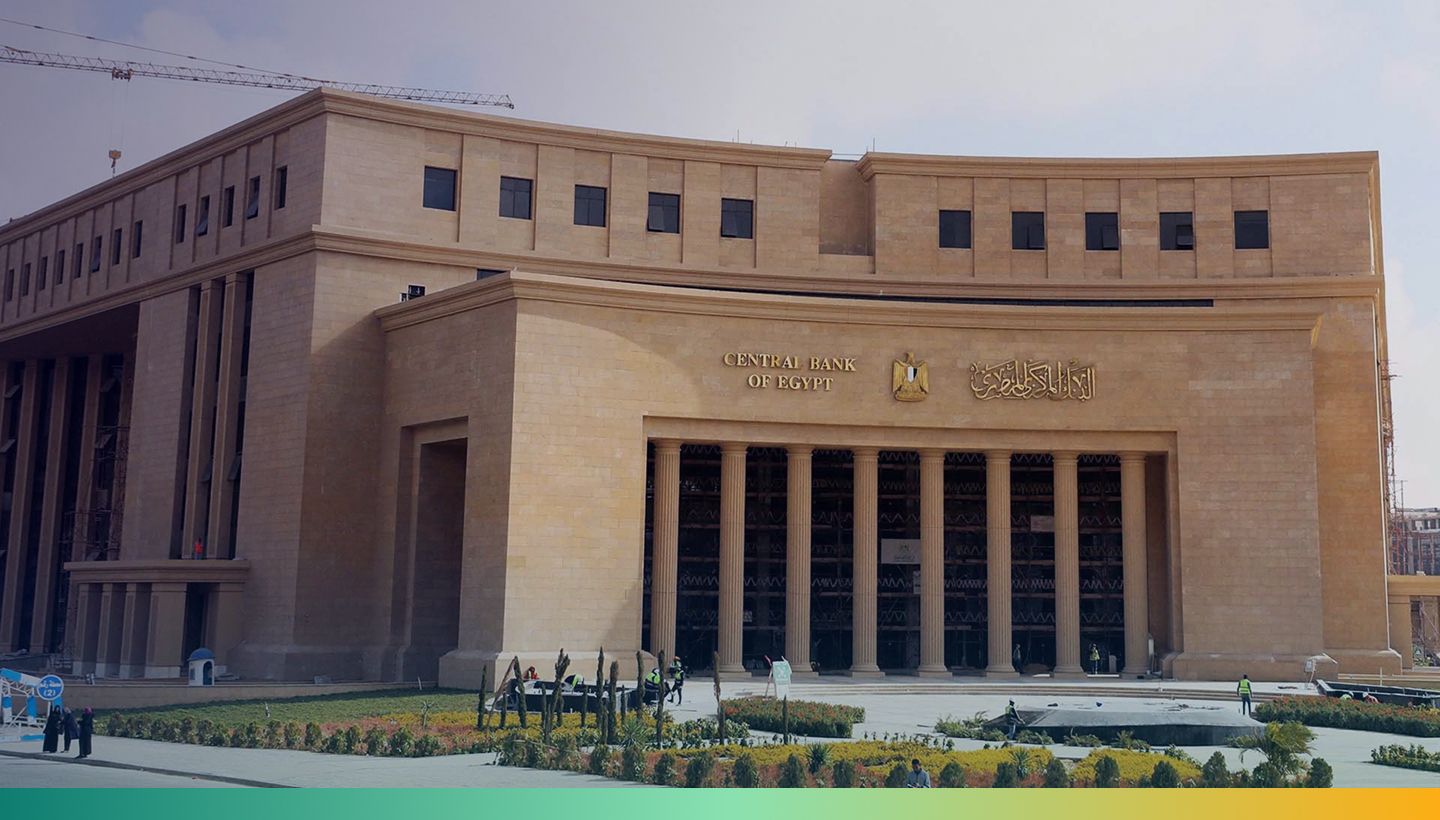
The Egyptian Banking Institute (EBI), established in 1991 by the Central Bank of Egypt, serves as the official training arm of the CBE. EBI aims to be the leading partner in developing human capital within Egypt’s banking sector and extending its influence across Africa and Arab countries. Serving over 1 million participants with 500+ training fields and 900+ instructors, EBI has maintained international accreditation from ACCET for 20 years. Its mission is to provide best-in-class human capital development services to the banking ecosystem in Egypt and strategic African and Arab countries, by mirroring the latest international banking trends.
The Challenge: Measuring the Impact of Training on Job Performance
EBI encountered several challenges that necessitated the adoption of a new system. One of them was the need for an effective learning measurement system to replace its in-house built solution. This new system had to be easy to use, offer powerful automation, and support strategic, data-driven decisions. Accurate analysis of customer feedback is crucial for the ongoing development of EBI’s services, ensuring that evolving client expectations are met. Therefore, EBI needed to adopt new feedback channels to capture the full training cycle.
Additionally, EBI aimed to compare its performance and measure its success against other companies in the industry. Benchmarking became a strategic direction for EBI to assess and compare its performance. Another critical requirement was the incorporation of key measurements into its evaluation system, such as scrap learning and the net promoter score. To accommodate this, EBI’s strategic goal was to measure levels 3 and 4 of the Kirkpatrick Evaluation Model. This model focuses on the application of learned skills on the job and the overall impact of training on job performance
The Solution: An Automated Learning Measurement Platform
To address these challenges, EBI adopted the Explorance Metrics That Matter (MTM) platform. This decision was influenced by several key criteria. EBI required a solution that offered automated data collection from learning surveys, consistent and scalable measurement solutions, and real-time data analytics to enhance decision-making.
Additionally, advanced reporting dashboards were necessary to identify high-impact training and diagnose low-performing programs for continuous improvement. The MTM platform met these requirements and provided benchmark data with a large dataset, enabling EBI to select different types of benchmarks.
The MTM platform significantly enhanced the user experience for both learners and administrators. For learners, MTM is user-friendly, supports both quantitative and qualitative data with the integration of AI, and can be accessed from any device. Surveys are conveniently sent via email and can be filled out at the learner’s convenience using an easy-to-access QR code.
For administrators, MTM increased efficiency by automating data collection, processing, and analysis, thereby reducing administrative time and effort. This automation also improved accuracy by minimizing human errors, providing real-time insights that allowed for quicker decision-making.
The Outcome: Achieving Strategic Goals and Improved Training Outcomes
The implementation of the MTM platform led to several measurable outcomes and benefits for EBI. One major improvement was the enhancement of data collection processes. EBI automated and unified its evaluation surveys for all program modalities, including instructor-led, virtual, blended and e-learning. This automation fulfilled one of EBI’s strategic initiatives by enabling the structured capture of client feedback across all stages of the training cycle.
The data collected through MTM facilitated better decision-making, allowing EBI to improve training content, delivery methods, learner practice, and overall operations. This comprehensive approach not only enhanced the quality of training but also contributed to reducing administrative work within the institution.
Looking ahead, EBI plans to focus more on measuring levels 3 and 4 of the Kirkpatrick Evaluation Model over the next three years. This will be achieved through the “Follow-up Survey” and the “Manager Survey,” aiming to further enhance the impact and effectiveness of its training programs. Through these continued efforts, EBI will strive to maintain its position as a leader in developing human capital within Egypt’s banking sector.



Stay connected with the latest updates and news from Explorance.

'%3e%3cpath%20d='M5.83968%2010.4004L7.09855%2015.7752L1.29959%2021.5843L1.23852%2021.642C1.21137%2021.6692%201.18762%2021.6997%201.16047%2021.7235C0.481112%2022.4372%200.0747675%2023.3674%200.0127211%2024.3508C-0.0493254%2025.3343%200.236888%2026.3082%200.821155%2027.1016C0.885626%2027.1865%200.950095%2027.2713%201.01796%2027.3493C1.0306%2027.3649%201.0442%2027.3796%201.05868%2027.3935C1.16422%2027.5192%201.27755%2027.6382%201.398%2027.7497L1.4455%2027.7939L1.67624%2028.0246L9.14125%2035.4896L20.0334%2024.6043L5.83968%2010.4004Z'%20fill='white'/%3e%3cpath%20d='M13.1078%2039.4493L9.78247%2042.761L15.1539%2041.5055L20.98%2047.3113L21.0411%2047.369L21.1225%2047.4504C21.8375%2048.1288%2022.7681%2048.5345%2023.7517%2048.5965C24.7354%2048.6585%2025.7096%2048.373%2026.5041%2047.7897C26.5889%2047.7253%2026.6737%2047.6608%2026.7518%2047.5929L26.7959%2047.5522C26.9233%2047.4401%2027.0434%2047.3199%2027.1556%2047.1925C27.1709%2047.1795%2027.1845%2047.1647%2027.1963%2047.1484L27.4304%2046.9211L34.8954%2039.4561L23.9999%2028.5605L13.1078%2039.4493Z'%20fill='white'/%3e%3cpath%20d='M34.8921%209.76194L38.2072%206.45019L32.8358%207.70228L27.0199%201.89315L26.9588%201.83207C26.9317%201.80492%2026.9045%201.78117%2026.8808%201.75403C26.1658%201.07561%2025.2352%200.669967%2024.2515%200.607946C23.2679%200.545924%2022.2937%200.831473%2021.4992%201.41471L21.2515%201.61491L21.204%201.65902C21.0833%201.7643%2020.9699%201.87767%2020.8646%201.99833L20.8239%202.04245L20.5932%202.2664L13.1282%209.73141L23.9999%2020.6473L34.8921%209.76194Z'%20fill='white'/%3e%3cpath%20d='M47.1789%2022.1067C47.1181%2022.0204%2047.0524%2021.9377%2046.9821%2021.859L46.9414%2021.8149C46.8301%2021.6867%2046.7099%2021.5665%2046.5817%2021.4552L46.5376%2021.4145L46.3069%2021.1838L38.8419%2013.7188L27.9531%2024.6041L38.8419%2035.4928L42.157%2038.8046L40.9015%2033.4332L46.7073%2027.624L46.7683%2027.5663L46.8464%2027.4815C47.5267%2026.769%2047.9337%2025.8392%2047.9958%2024.856C48.0579%2023.8727%2047.771%2022.8992%2047.1857%2022.1067H47.1789Z'%20fill='%230050C1'/%3e%3c/g%3e%3cdefs%3e%3cclipPath%20id='clip0_6641_12689'%3e%3crect%20width='48'%20height='47.9966'%20fill='white'%20transform='translate(0%200.603516)'/%3e%3c/clipPath%3e%3c/defs%3e%3c/svg%3e)