University of Fort Hare: Transforming Student Feedback into Better Teaching and Learning Outcomes with Explorance Blue
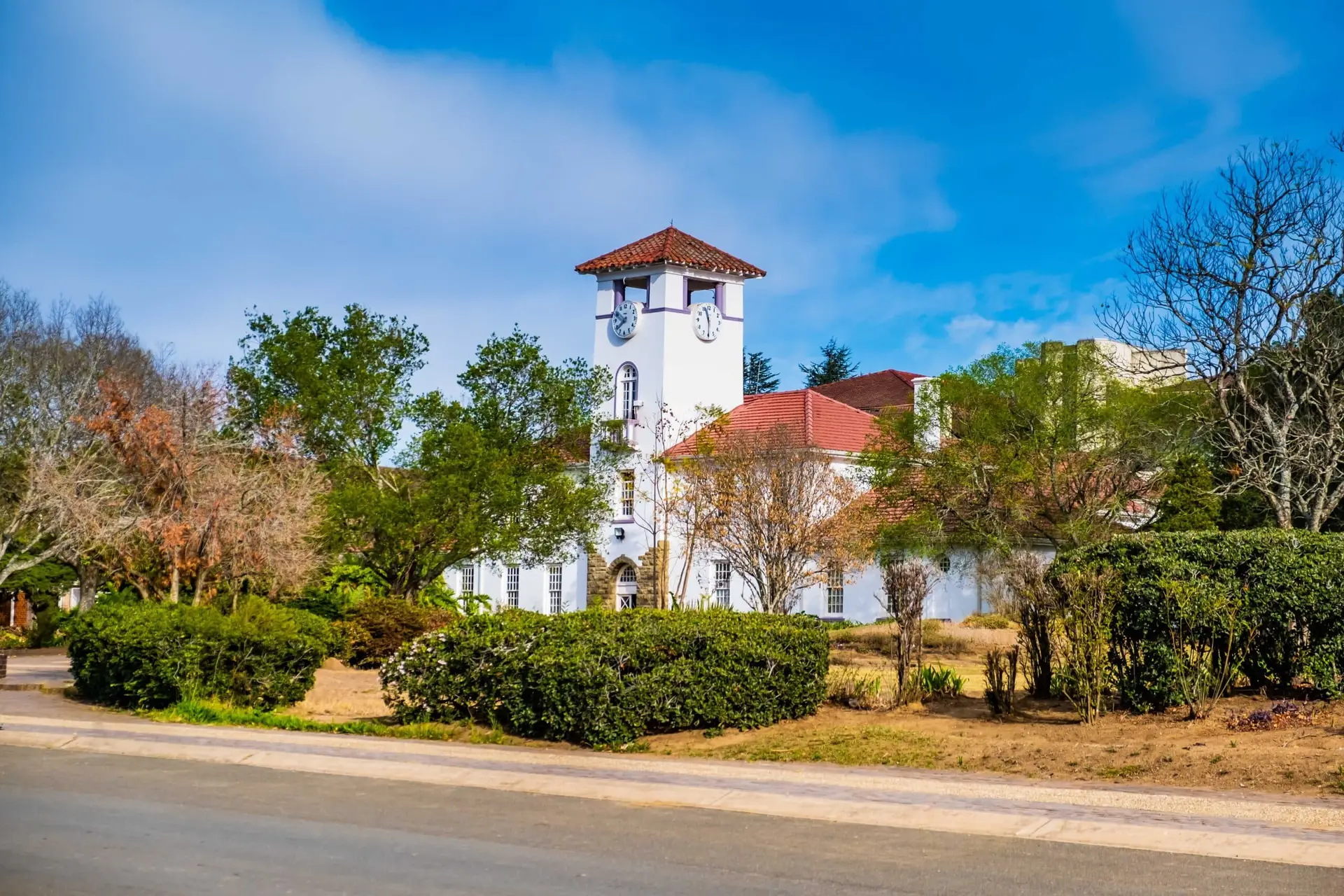

About the University of Fort Hare
The University of Fort Hare (UFH), located in Alice, South Africa, is a historic institution renowned for its commitment to academic excellence and social development. Established in 1916, it has produced generations of African leaders and innovators. Serving over 16,000 students and employing approximately 2,000 staff, the university offers a wide range of undergraduate and postgraduate programs. UFH remains focused on pursuing high-quality, innovative teaching and improving the overall student experience.
The Challenge: Manual Feedback Processes and Limited Insight
Before adopting Explorance Blue, the University of Fort Hare (UFH) managed course evaluations through its Learning Management System (LMS), Blackboard, and compiled results manually into module reports. While this approach supported the university’s feedback efforts for many years, the process required significant time and effort to organize, analyze, and extract insights at scale.
With more than 3,500 module evaluations each year, UFH recognized an opportunity to enhance efficiency, streamline reporting, and better connect feedback to its strategic goals for teaching and learning excellence. The move toward online learning during and after the COVID-19 pandemic further highlighted the need for a more agile, data-driven approach to managing feedback.
Dr. Patricia Muhuro, Senior Teaching and Learning Consultant, noted that understanding student experiences had become critical to improving quality. “Our students have a lot of problems with online learning,” she explained. “We wanted a system that could allow everyone to check students experiences of learning online, whether they found it useful or not, to allow for adjustment that suits our student profiles.” The university recognized the need for a reliable, data-driven feedback solution that could support reflective teaching, inform curriculum development, and enhance overall student engagement.
The Solution: Embedding Explorance Blue into the Teaching and Learning Ecosystem
To address these challenges, UFH implemented Explorance Blue. The university positioned module evaluations as a strategic tool for quality assurance, curriculum improvement, and reflective teaching. Surveys were standardized across undergraduate and postgraduate courses, while lecturers could add up to five customized questions relevant to their modules.
Evaluations were deployed twice a year, providing consistent feedback loops for continuous improvement. Leveraging a deep integration with Blackboard, UFH created a dedicated landing page where lecturers could access module evaluations and download detailed reports directly.
To build student participation and awareness, UFH introduced workshops and student-led campaigns. Peer assistants helped promote evaluations through short videos, in-class QR codes, and messages in student living spaces. These initiatives emphasized that feedback was anonymous and meaningful, helping increase student response rates and engagement.
A minimum survey response rate of 40% was established to ensure that results reflected representative feedback. Reports were automatically generated at three levels, module, qualification, and institution, which made it easier for academic leaders to identify trends, inform decisions, and measure progress toward teaching and learning goals.
The Outcome: Data-Driven Improvement and Quality Enhancement
The adoption of Explorance Blue transformed UFH’s approach to student feedback. The university moved from manual data collection to an integrated, evidence-based system that supports improvement at every level. “The experience report has been very useful for us,” said Dr. Muhuro, “because we are able to get individual module reports, departmental reports… and now run evaluations and statistical reports at qualification level.”
Student feedback has become a meaningful part of the learning process. By linking feedback to visible action, the university has strengthened trust and participation among students and staff. Insights from Blue now inform quality assurance, curriculum review, and performance management. Lecturers use reports to reflect on their teaching and implement targeted improvements, while administrators use aggregated data to guide strategic planning and resource allocation.
Looking ahead, the University of Fort Hare plans to expand its use of Explorance Blue by enhancing data analytics capabilities and improving response rates further. As Dr. Muhuro concluded, the university continues to explore new ways of using student feedback “to help us also in our evaluation and improvement.”




Learn more about Explorance's products, solutions, and the company.

'%3e%3cpath%20d='M5.83968%2010.4004L7.09855%2015.7752L1.29959%2021.5843L1.23852%2021.642C1.21137%2021.6692%201.18762%2021.6997%201.16047%2021.7235C0.481112%2022.4372%200.0747675%2023.3674%200.0127211%2024.3508C-0.0493254%2025.3343%200.236888%2026.3082%200.821155%2027.1016C0.885626%2027.1865%200.950095%2027.2713%201.01796%2027.3493C1.0306%2027.3649%201.0442%2027.3796%201.05868%2027.3935C1.16422%2027.5192%201.27755%2027.6382%201.398%2027.7497L1.4455%2027.7939L1.67624%2028.0246L9.14125%2035.4896L20.0334%2024.6043L5.83968%2010.4004Z'%20fill='white'/%3e%3cpath%20d='M13.1078%2039.4493L9.78247%2042.761L15.1539%2041.5055L20.98%2047.3113L21.0411%2047.369L21.1225%2047.4504C21.8375%2048.1288%2022.7681%2048.5345%2023.7517%2048.5965C24.7354%2048.6585%2025.7096%2048.373%2026.5041%2047.7897C26.5889%2047.7253%2026.6737%2047.6608%2026.7518%2047.5929L26.7959%2047.5522C26.9233%2047.4401%2027.0434%2047.3199%2027.1556%2047.1925C27.1709%2047.1795%2027.1845%2047.1647%2027.1963%2047.1484L27.4304%2046.9211L34.8954%2039.4561L23.9999%2028.5605L13.1078%2039.4493Z'%20fill='white'/%3e%3cpath%20d='M34.8921%209.76194L38.2072%206.45019L32.8358%207.70228L27.0199%201.89315L26.9588%201.83207C26.9317%201.80492%2026.9045%201.78117%2026.8808%201.75403C26.1658%201.07561%2025.2352%200.669967%2024.2515%200.607946C23.2679%200.545924%2022.2937%200.831473%2021.4992%201.41471L21.2515%201.61491L21.204%201.65902C21.0833%201.7643%2020.9699%201.87767%2020.8646%201.99833L20.8239%202.04245L20.5932%202.2664L13.1282%209.73141L23.9999%2020.6473L34.8921%209.76194Z'%20fill='white'/%3e%3cpath%20d='M47.1789%2022.1067C47.1181%2022.0204%2047.0524%2021.9377%2046.9821%2021.859L46.9414%2021.8149C46.8301%2021.6867%2046.7099%2021.5665%2046.5817%2021.4552L46.5376%2021.4145L46.3069%2021.1838L38.8419%2013.7188L27.9531%2024.6041L38.8419%2035.4928L42.157%2038.8046L40.9015%2033.4332L46.7073%2027.624L46.7683%2027.5663L46.8464%2027.4815C47.5267%2026.769%2047.9337%2025.8392%2047.9958%2024.856C48.0579%2023.8727%2047.771%2022.8992%2047.1857%2022.1067H47.1789Z'%20fill='%230050C1'/%3e%3c/g%3e%3cdefs%3e%3cclipPath%20id='clip0_6641_12689'%3e%3crect%20width='48'%20height='47.9966'%20fill='white'%20transform='translate(0%200.603516)'/%3e%3c/clipPath%3e%3c/defs%3e%3c/svg%3e)